
Foundation inspection · Nashville, TN

Nashville Foundation Inspection

Get a clear read on cracks, settling, and moisture conditions so you can plan repairs (or a purchase) with real information, not guesswork.

On-site condition assessment Measurements and photos Plain-English findings
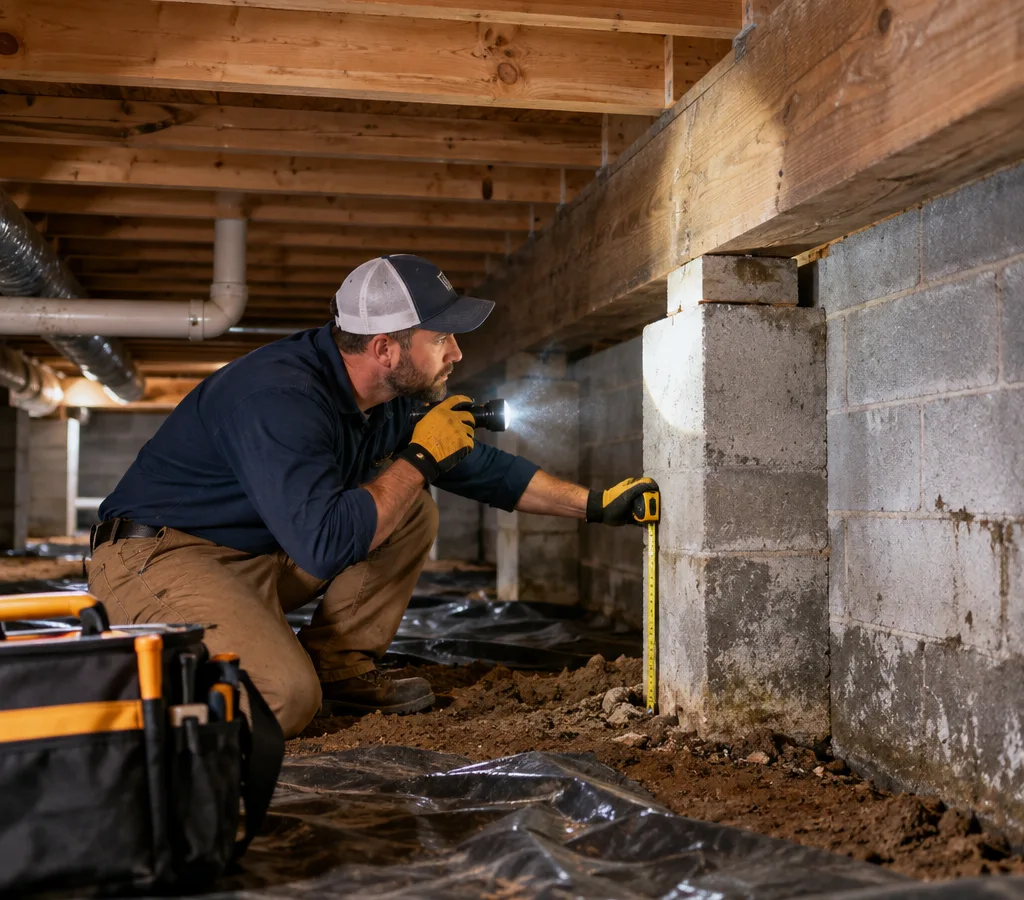
Inspector in a Nashville-area crawl space checking piers, beams, masonry, floor joists, and moisture conditions

What a foundation inspection in Nashville should tell you

A proper foundation inspection is a condition assessment of the parts of the home that carry load and transfer it to the ground: footings, foundation walls, piers, beams, slabs, and the surrounding drainage and moisture conditions that can change how those components behave.

For a Nashville foundation inspection, the goal is simple: identify what is normal aging versus what points to movement, water intrusion, wood rot risk, or structural distress. You should walk away with clear notes on where the problems are, what is likely causing them, and what the realistic next steps look like.

Foundation Repair Nashville Tennessee inspects homes across the Nashville area with a methodical approach. Our experienced foundation team focuses on observable conditions, measurements, and documentation you can use to make decisions.
Book Your Free Inspection
Evidence-led evaluation

What we look for during a Nashville foundation inspection

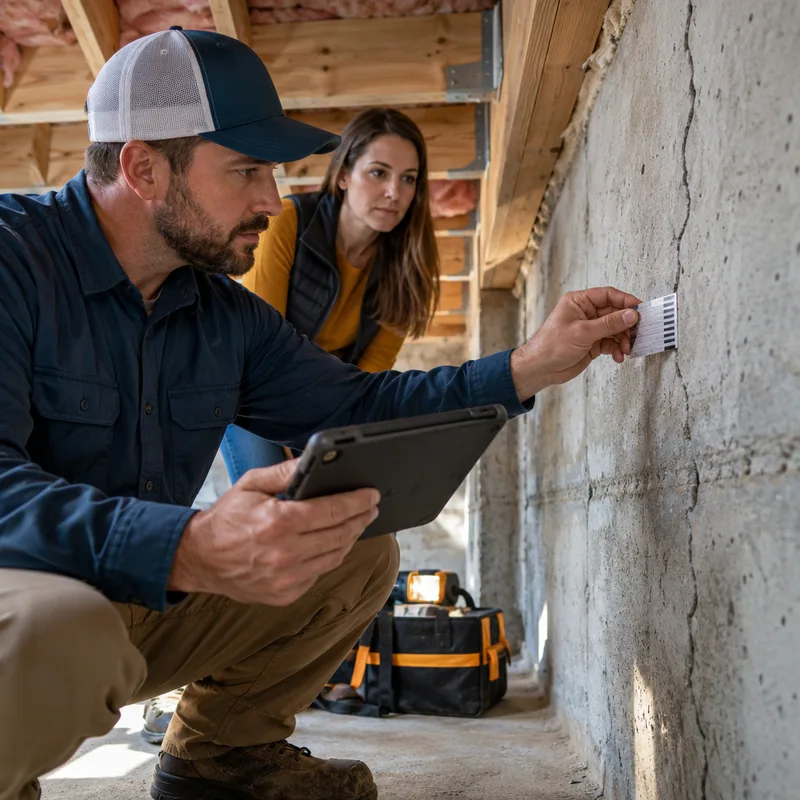
Foundation wall crack being measured with a crack gauge and documented beside masonry and floor framing

Every house is different, but the warning signs tend to show up in the same places. During a foundation inspection Nashville homeowners schedule for a purchase, a remodel, or a recurring issue, we typically review:

  • Foundation walls and masonry: stair-step cracking in block or brick, bowing or rotation, mortar joint separation, and efflorescence that can indicate moisture movement.
  • Slab conditions: interior cracks, heaving or settlement indicators, and areas where floor finishes show stress.
  • Crawl space structure: sagging or damaged girders, undersized or shifting piers, wood-to-masonry contact, wet insulation, and signs of high humidity.
  • Doors, windows, and interior finishes: racked openings, drywall cracking patterns, trim separation, and uneven floors that help correlate movement to specific areas.
  • Exterior drainage and water management: gutter discharge points, downspout extensions, surface grading, and low spots where water collects near the foundation.

In Nashville, many homes have crawl spaces, and moisture management is often a deciding factor. We treat water as part of the foundation story because persistent dampness can change soil behavior outside and can also deteriorate wood framing inside.

Book Your Free Inspection
Inspection findings

Common issues we document (and what they usually mean)

Book Your Free Inspection

Step cracking in brick or block

Often tied to differential settlement or localized soil movement. We document location, direction, and relative severity to determine if it is stable or progressing.

Bowing foundation walls

Can indicate lateral pressure from saturated soil or poor drainage. We look for inward displacement, cracking patterns, and any prior reinforcement.

Sagging floors over crawl spaces

May be settlement of supports, undersized members, or moisture-related deterioration. We check posts, piers, beams, and joist bearing points.

Moisture staining and efflorescence

Shows repeated moisture movement. We note likely entry points and conditions that keep the area wet, because long-term dampness can lead to rot and corrosion.

Sticking doors and window misalignment

Sometimes seasonal, sometimes movement-related. We use these as correlation clues and verify by checking floor level changes and structural supports below.

Previous repairs or modifications

Older jacks, added columns, patched cracks, or sistered framing can help, but we verify whether the work is performing and whether the underlying cause was addressed.

Inspection process

Our process for foundation inspection in Nashville, TN

  1. Step01

    Quick intake and goals

    We start with what you are seeing (cracks, uneven floors, water, sticking doors) and why you need the inspection (purchase, planning repairs, recurring concerns).

  2. Step02

    Exterior walkaround

    We check grading, drainage paths, downspout discharge, and visible foundation surfaces. We note where water concentrates because it often aligns with movement.

  3. Step03

    Interior and crawl space or basement review

    We inspect framing supports, beams, piers, and foundation walls where accessible. If the home is on a slab, we focus on floor conditions, crack patterns, and interior symptoms.

  4. Step04

    Measurements and documentation

    We take photos and measurements where they matter—crack characteristics, displacement indicators, and floor level changes—to turn symptoms into a trackable record.

  5. Step05

    Findings and next steps

    You get a clear explanation of what looks cosmetic versus structural, what is likely driving the issue, and what the logical repair paths are so you can prioritize.

Book Your Free Inspection
Planning your inspection

How Much Does a Nashville Foundation Inspection Cost?

A Nashville foundation inspection typically ranges from about $200 to $600, depending on home size, foundation type (slab vs. crawl space vs. basement), and access. A smaller slab home is usually on the lower end, while larger homes with tight crawl spaces or multiple areas to evaluate tend to cost more.

Pricing also depends on how much documentation you want, whether there are active moisture conditions to trace, and how much time is required to safely access and observe key structural areas. The exact cost is confirmed after we review the property details and inspection access.

Book Your Free Inspection
Homeowner experience

Clear findings for confident decisions

“We were under contract and needed a foundation inspection in Nashville fast. They walked the exterior, went through the crawl space, and explained what was cosmetic and what needed attention. The photos and notes made it easy to negotiate repairs.”
Erin P.
“I had diagonal cracks by a window and uneven flooring in the living room. The inspector showed me where the supports were settling in the crawl space and pointed out drainage issues outside that were making it worse. Straightforward and practical.”
Marcus L.
Common questions

Foundation inspection Nashville: questions homeowners ask

How long does a foundation inspection take?

Most foundation inspections take 60 to 120 minutes, depending on the home size, whether the crawl space is accessible, and how many areas show symptoms like cracking or floor slope. Homes with limited access panels, tight crawl spaces, or active moisture conditions can take longer because we need time to document safely and thoroughly.

Do you inspect crawl spaces in older Nashville homes?

Yes, if there is safe access we inspect crawl spaces because that is where many support and moisture issues show up first. We check piers, beams, joists, and signs of dampness such as staining, wet insulation, wood softness, and condensation on mechanicals, then tie those findings back to what you see inside the home.

What foundation cracks are serious versus cosmetic?

Crack pattern and context determine seriousness, not the crack alone. Stair-step cracking in masonry, cracks paired with wall displacement, or cracking that lines up with doors or windows going out of square tends to be more concerning than small surface cracks with no related symptoms. We document the crack characteristics and look for movement indicators before recommending any repair path.

Can you do a foundation inspection before I buy a home?

Yes, a pre-purchase foundation inspection is a common reason people request foundation inspection Nashville TN services. We focus on observable structural and moisture conditions, then explain what is likely immediate versus what is watch-and-maintain so you can make a decision with clearer risk and cost expectations.

Will you tell me what repairs are needed if you find problems?

Yes, we explain the likely cause and the practical repair options based on what we can see and measure. When repairs are needed, we focus on scope—what areas, what type of stabilization or support correction, and what water-management changes matter—so you can compare proposals accurately.

What should I do to prepare for the inspection?

Make sure access points are clear and unlocked, including crawl space doors, interior hatch panels, and areas near the perimeter walls. If you have recent photos of prior repairs, drainage work, or times when water was present, those help us connect symptoms to conditions and speed up the evaluation.

Get clarity on your foundation before small issues turn into big ones

If you are seeing cracks, uneven floors, sticking doors, or moisture in a crawl space, schedule an inspection and get a documented, plain-English explanation of what is happening and what to do next.